
Defence senior ranks to be purged
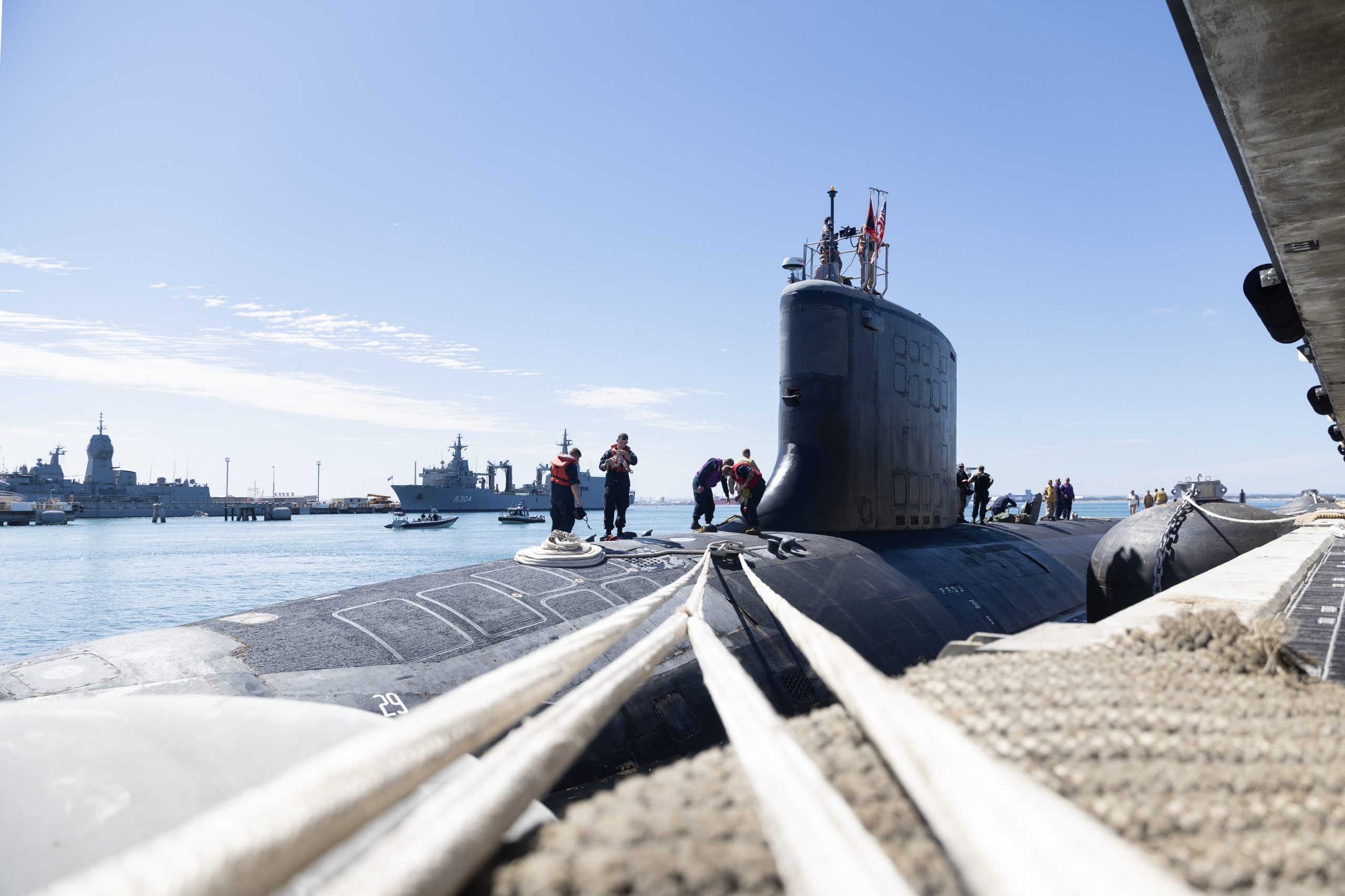
As we have reported in the current edition of APDR, a major shakeup is in the pipeline for the senior ranks of Defence. Service Chiefs have been directed to cut 1-star and above positions by 30%. A reduction of similar magnitude is under consideration for APS staff. If carried out in full, this would see about 270 of the highest-paid and most experienced people being politely shown the door. However, at this stage, there seems to be no change to the structure and function of the Department, so cuts of this magnitude will have the effect of slowing down productivity, not speeding it up – at least not in the short term. If history is any guide, shedding this number of people takes no less than 18 months to be fully effective. One of the preferred mechanisms are voluntary redundancies, but these favour people either naturally reaching the end of their careers, or having skills that are sought in the private sector. The irony is that while senior positions will be culled, the ADF failed – again – to meet its recruiting targets last financial year and has shrunk in size. On July 15, writing in the Australian Financial Review, highly influential security analyst Peter Varghese – very well known to Defence – titled his article: “I ran DFAT. I hope Elbridge Colby sinks AUKUS for Australia.” He goes on to explain that Australia must accept the reality that we can defend ourselves even without the full support of the increasingly erratic administration of President Donald Trump. He also believes that Australia needs to independently assess how to deal with the fact of China’s growing strength and influence rather than blindly following the policy lead of Washington. He predicts that the Trump administration will eventually be replaced by something more normal – but the damage will already have been done with allies such as Australia having to face the fact that the US cannot be automatically counted on, ever. He concludes that a far higher level of Australian self-reliance is needed and that nuclear-powered submarines should be ditched: “But defence self-reliance does not come cheap. It will require a significant uplift in our defence budget – not to meet some arbitrary percentage of gross domestic product but to fund the force structure that we need for the defence of Australia. Nuclear submarines distort both the cost and focus of that force structure. If walking away from AUKUS is a bridge too far for the Australian government, the US might yet save us from ourselves by adding conditions which no Australian government could accept. “A properly funded defence budget is, however, only part of what we need.” What is also needed is a fundamental rethink of the role of China, with Mr Varghese arguing that Beijing poses no direct military threat to Australia and is not our enemy. However, he also cautions against allowing China to become the regional hegemon and says the best way to push back is for Australia to develop stronger links within Asia, as well as increase our spending on national security. However, unless there is a fundamental change of mindset within the Department of Defence, this will not happen. Unfortunately, Australian politicians and their bureaucratic servants seem incapable of accepting that the world we now live in is fundamentally different from what it was in 1995 when the US was completely dominant. There is no point just culling numbers in Defence and hoping for better outcomes. People need to look beyond AUKUS for Australia’s security. Defence Minister Richard Marles is fond of describing AUKUS as a “treaty level agreement.” Unfortunately, there’s no such thing. Either you have a treaty, or you don’t. There isn’t one for the supply of US nuclear-powered submarines – and the entire world is witnessing that the current Trump administration has no intention of sticking with anything that does not fit the America First agenda. Even then, there is no consistency to decision-making and policy is now in the hands of incompetent ideologues. It’s time the government and the coalition came to terms with this uncomfortable fact. For Editorial Inquiries Contact: Editor Kym Bergmann at [email protected] For Advertising Inquiries Contact: Group Sales Director Simon Hadfield at [email protected]

Kym Bergmann has more than 35 years of experience in journalism and Australian and international defence industry. After graduating with Honors from the Australian National University, he joined Capital 7 television, holding several positions including foreign news editor and chief political correspondent.
After 2 years on the staff of a Federal Minister, he moved to the defence sector and held senior positions in several companies, including Blohm+Voss, Thales, Celsius and Saab. In 1997 he was one of 2 Australians selected for the Thomson CSF 'Preparation for Senior Management' MBA course, the other being Chris Jenkins - formerly the CEO of Thales Australia.
He has also worked as a consultant for a number of companies, including Raytheon, Tenix (now part of BAES) and Martin Marrietta (now part of Lockheed Martin). He had several board appointments, including Thomson Sintra Pacific (1994 - 96) and Saab Pacific (1998 - 2003).
He retains good personal links with senior figures in Government, as well as in industry and the media. He decided to return to journalism in May 2008, and holds the position of editor for Asia Pacific Defence Reporter (APDR) and Defence Review Asia (DRA). He is also a podcaster and commentator on defence and national security issues.
Comments
Loading comments...