
Leonardo wins new C-27J Spartan order
By APDR
•May 19, 2026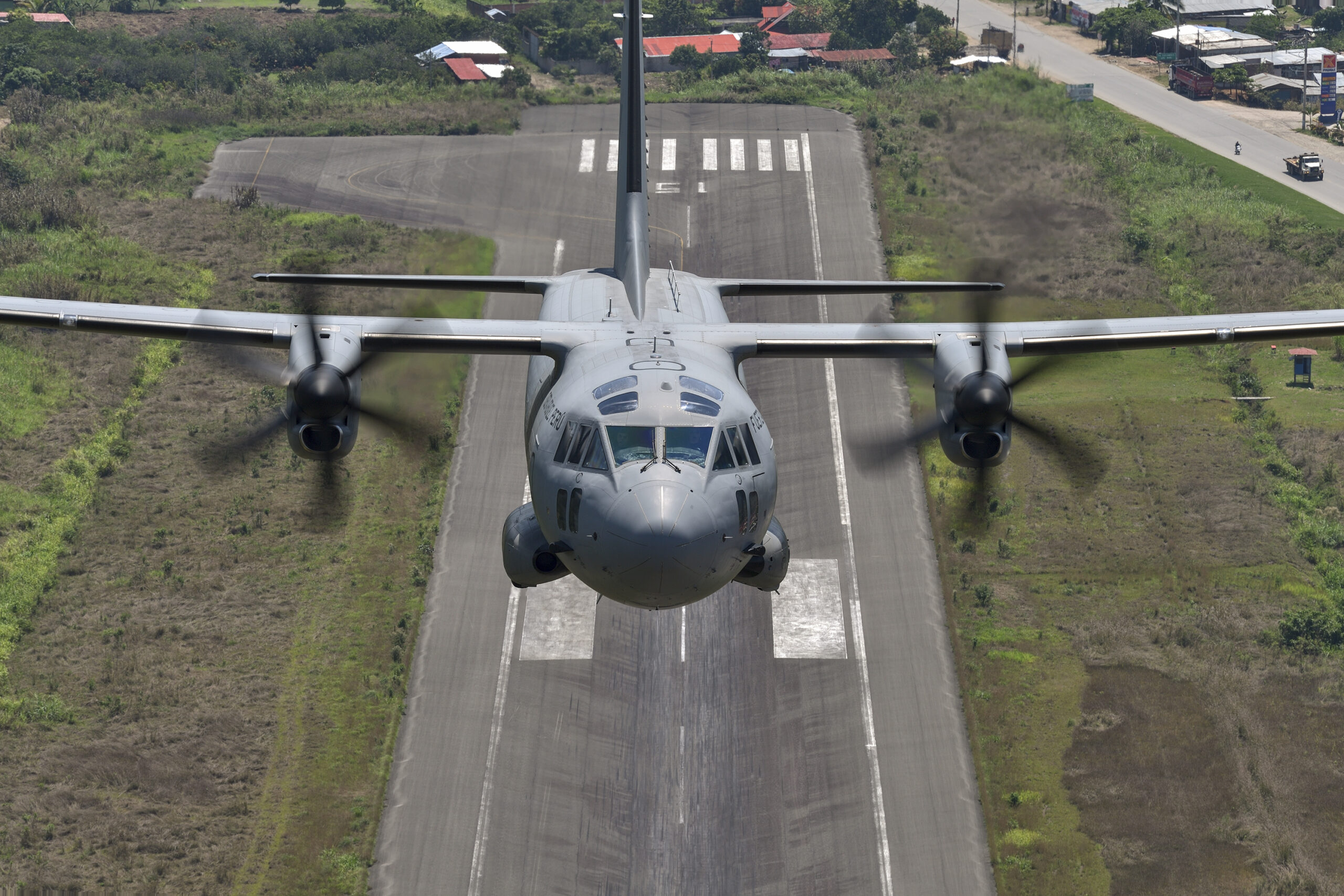
The Peruvian Air Force (Fuerza Aérea del Perú – FAP) has placed an order for an additional C-27J Spartan multirole tactical airlifter, as part of its air mobility enhancement programme aimed at addressing the country’s complex geography, challenging terrain and the need to reach remote areas. The contract brings the total number of C-27Js acquired by Peru to five, with delivery to FAP’s Grupo 8 expected in 2027. The programme has a number of offset benefits, such as localized support capabilities, generating a valuable return on the investment. This latest order marks a major milestone for the C-27J, bringing the total number procured by 21 operators worldwide to 100. Today, the C-27J is in service in 18 countries. The aircraft will be the first in Peru to feature the C-27J Next Generation configuration. This introduces new avionics and aerodynamic enhancements, improving efficiency and further boosting operational performance. The expansion of the country’s C-27J fleet will strengthen FAP’s ability to conduct transport, airdrop, rescue, disaster relief and firefighting missions. The deal provides further evidence of the operator’s reliance on the C-27J’s unique capabilities to perform a wide range of missions in all environmental conditions, ranging from very hot and humid climates at sea level to the extreme altitudes of the Andes. FAP has used the aircraft on a significant number of missions across this broad spectrum since it began operations in 2015. As of early 2026, the airlifter fleet has logged almost 16,000 flight hours, carried out nearly 600 MEDEVAC missions, and transported almost 240,000 people and 9,000 tons of cargo. The FAP’s C-27Js operations have supported communities and major emergency responses across the country and region including earthquakes, floods, wildfires, shortage of essential supplies and healthcare emergencies, when required. The aircraft’s outstanding performance at high altitude, payload capacity, versatility, and ability to operate 24/7 from unpaved, very short landing strips even without lighting, landing aids or ground support, together with proven reliability, have been among the key factors making the C-27J a key strategic asset and contributing decisively to the national resilience. In addition, establishing localised support capabilities by transferring technology expertise through autonomous maintenance and the establishment of training centers, has helped to stimulate the national aeronautical industry, once again demonstrating the significant return that investments in the aviation sector can generate. For Editorial Inquiries Contact: Editor Kym Bergmann at [email protected] For Advertising Inquiries Contact: Group Sales Director Simon Hadfield at [email protected]

Comments
Loading comments...