
Home › Govt Policy & News
AUKUS Pillar 1 should be scrapped, report says
ICAN Australia urges a rethink of US alliance agreements
By APDR
•Nov 8, 2026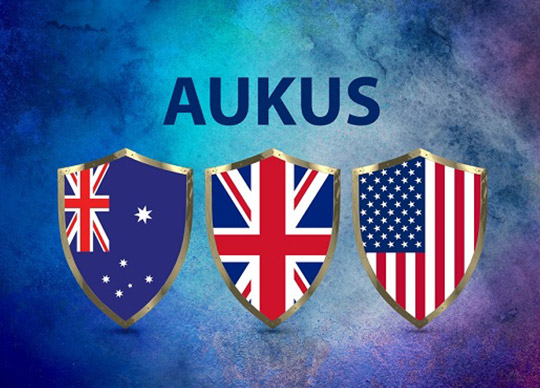
A comprehensive examination of the AUKUS submarine deal to date is recommending it be immediately scrapped and a Plan B cost-effective alternative implemented immediately to ensure a capable submarine service. A Royal Commission into how the disastrous defence pact was conceived and allowed to continue for as long as it has, is also required. Report is available at aukuspublicinquiry.com.au. The independent, crowdfunded Public Inquiry into AUKUS has found that the security partnership will not succeed in any of its stated aims and constitutes a gross waste of public monies – up to half a trillion dollars if nuclear waste management costs are included – that compromise our national security and sovereignty. The inquiry report included 17 recommendations, including that Australia urgently develop a comprehensive National Security Strategy, suspend plans for a US naval base near Perth, cease seconding RAN submariners on US submarines and that an urgent Australian National Audit Office (ANAO) audit of the AUKUS program be undertaken and the results made public. Lead Commissioner Peter Garrett said that AUKUS represented an absurd cost for submarines of highly contested utility that may well never arrive. “After carefully considering all the material presented to us, we conclude that AUKUS is the worst, most costly and riskiest defence decision ever made. AUKUS compromises our national security, erodes our sovereignty and commits us to any future conflict in support of US war plans. AUKUS definitely does NOT keep us safe.” A substantial number of Australians – including a former Prime Minister, five former Foreign Affairs and Defence Ministers, senior academics and recognised military experts, unions, community groups and citizens – presented to the Inquiry across 10 day-long hearings in 8 cities around Australia since it launched in June. ICAN Australia urges a rethink of US alliance agreements ICAN Australia urges a rethink of US alliance agreements and says Australia must sign the nuclear weapon ban treaty Hosting US nuclear-capable forces is increasing the risk to Australian communities, and that risk is set to grow, the Nobel Peace Prize-winning International Campaign to Abolish Nuclear Weapons (ICAN) Australia said today. The AUKUS Public Inquiry’s report, Surrendering Australia, released last week, warns that AUKUS opens the door to nuclear weapons hosted in Australia. It finds the Force Posture Agreement does not prevent the US deploying them here, and that Perth would be a likely nuclear target in a US-China conflict. The report, and recent events, point to what’s currently here and what’s coming: Now: US B-52s landed at RAAF Base Tindal, near Katherine, on 1 September. The base has been upgraded to host them, and at least half of the US B-52 fleet is nuclear-capable. From 2027: US and UK nuclear-powered submarines will rotate through HMAS Stirling, beside Rockingham. After 2032: US Congressman Michael McCaul says it is “logical to assume” rotating US submarines could be nuclear-armed. Next: The report names Port Kembla, Newcastle and Brisbane as possible east coast submarine bases. The report urges the government to recalibrate the US alliance around Australian sovereignty, rescind ‘don’t ask, don’t tell’ and honour Labor’s commitment to sign the Treaty on the Prohibition of Nuclear Weapons. Associate Professor Tilman Ruff, founding chair of ICAN and contributor to the inquiry said: “The US will neither confirm nor deny whether its aircraft and submarines carry nuclear weapons, and Australian governments say they ‘understand and respect’ that policy. This level of secrecy is unacceptable in a modern democracy. Communities like Katherine and Rockingham are carrying a nuclear risk they were never asked about. We don’t even know whether emergency and medical services have been told what they might face. Our agreements with the US leave the door open to nuclear weapons operations being launched from Australia, and each new deployment pushes it wider. We need to rethink those agreements, including AUKUS Pillar 1, and sign and ratify the nuclear weapon ban treaty. That would replace don’t ask, don’t tell with a clear legal line – no nuclear weapons hosted here.” For Editorial Inquiries Contact: Editor Kym Bergmann at [email protected] For Advertising Inquiries Contact: Group Sales Director Simon Hadfield at [email protected]
TAGSAUKUS