
Home › Air & Space
Australia to acquire 2 additional P-8A Poseidons for maritime patrols
By APDR
•Dec 30, 2020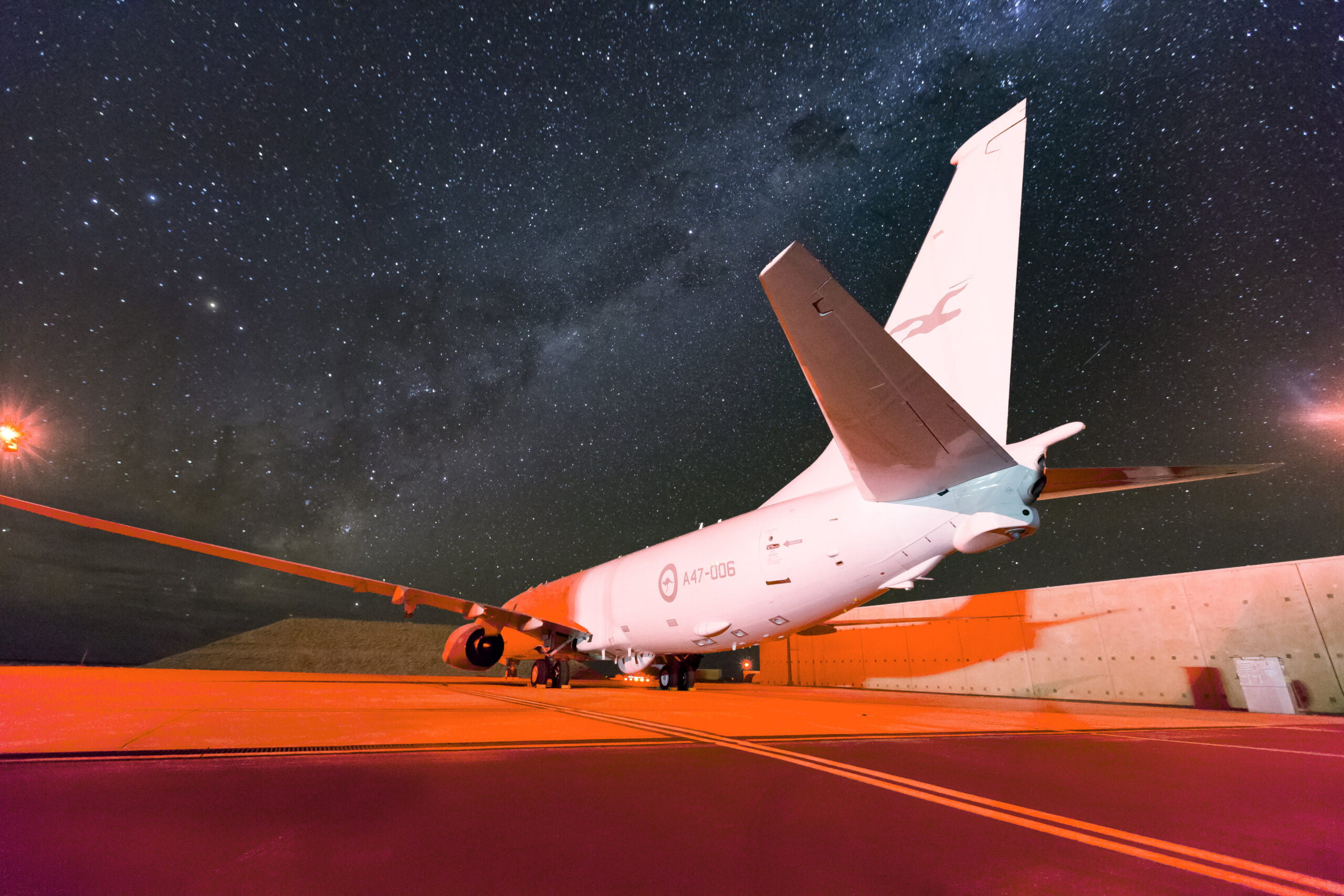
The Australian Air Force’s maritime patrol capability will be boosted with the country’s plans to to acquire two more P-8A Poseidon surveillance and response aircraft, bringing the total fleet size to 14. The government has also approved sustainment funding for the current approved fleet of three MQ-4C Triton aircraft. A RAAF P-8A Poseidon supports sea trials for the NUSHIP Hobart in the Gulf St Vincent off the coast of Adelaide. (PHOTO: RAAF) Minister for Defence Linda Reynolds said the announcement is part of the government’s A$270 billion investment in defence capability over the next decade. “Together, the Poseidon and the Triton will provide Australia with one of the most advanced maritime patrol and response capabilities in the world,” Reynolds said. “The Poseidon is a proven capability that will conduct tasks including anti-submarine warfare, maritime and overland intelligence, surveillance and reconnaissance, and support to search and rescue missions. These additional aircraft will enhance Air Force’s flexibility to support multiple operations and will play an important role in ensuring Australia’s maritime region is secure for generations to come.” Reynolds added that several Australian companies are already completing work for Boeing Defence Australia, and industry investment including facilities works is over A$1 billion. The additional Poseidon aircraft are to be purchased through our existing Cooperative Program with the United States Navy. Reynolds said being part of the Cooperative Program with the United States Navy allows Australia to share in the benefits of their technical expertise and divide project costs. “Defence is committed to this cooperative approach; together we are striving to develop this military technology to the highest standards,” Reynolds said. The Poseidon is a highly versatile, long endurance platform capable of a range of mission types including Maritime Intelligence Surveillance and Reconnaissance and striking targets above and below the ocean’s surface. The planned integration of the Long Range Anti-ship Missile (LRASM) into Air Force capability will also allow it to strike adversary surface vessels at significantly increased ranges. For Editorial Inquiries Contact: Editor Kym Bergmann at [email protected] For Advertising Inquiries Contact: Director of Sales Graham Joss at [email protected]
TAGSAustralian Air ForceBoeing AustraliaP-8A PoseidonUS Navy
Previous article
New Defence grants released