
Home › Featured
Government announces larger surface fleet – but timing uncertain
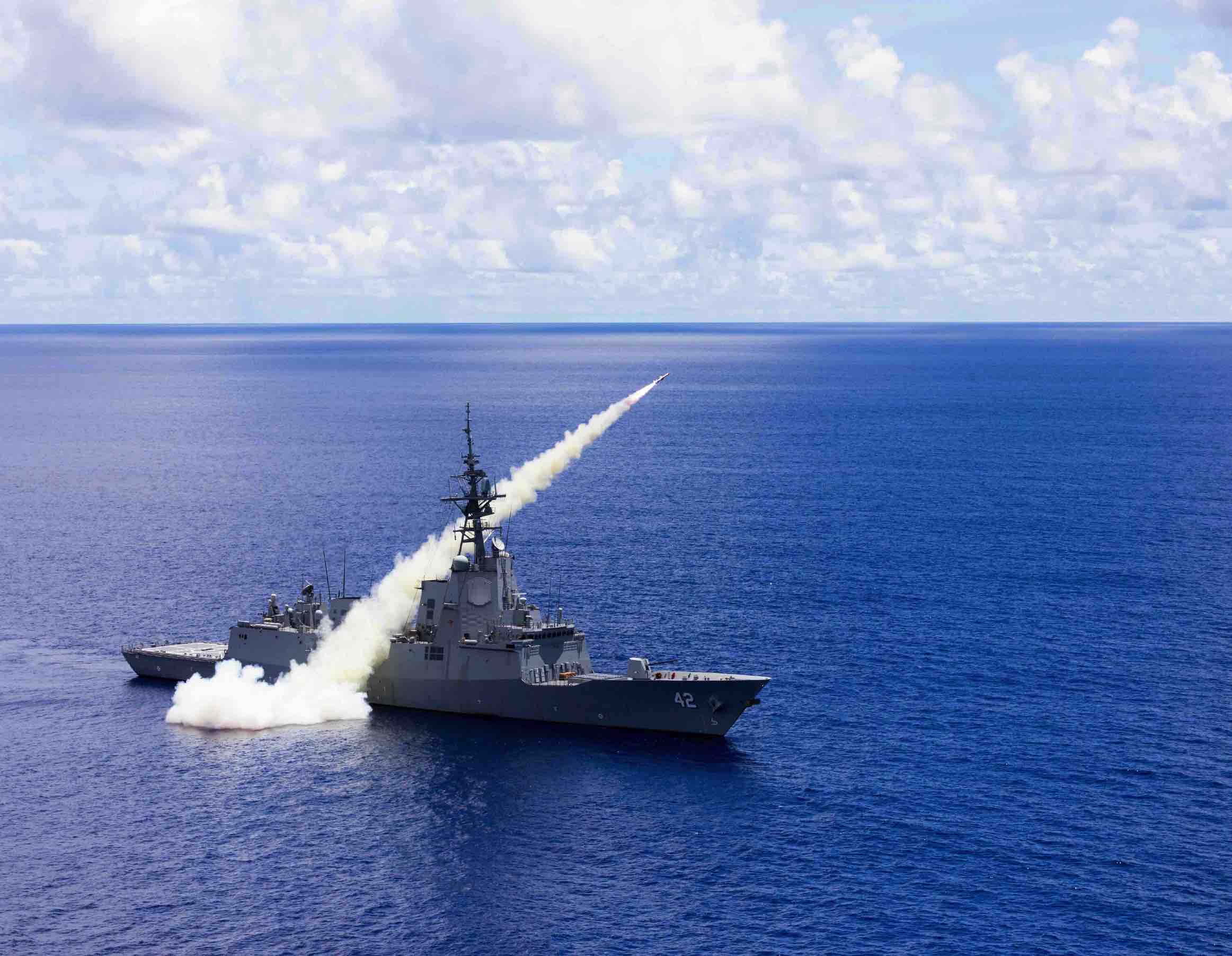
Some parts of the government’s response to the review of the RAN surface fleet were expected, such as the reduction in the number of Hunter and Arafura classes to a total of six each. What was unexpected was the acquisition of six Large Optionally Crewed Surface Vessels from the US that do not yet exist. While six Anzac class frigates will be upgraded and remain in service for years to come, there will now be a competition between four suppliers for between 8 and 11 new general purpose frigates. The first three are likely to be built in yards in either Germany, Japan, South Korea or Spain. Taken together, this package will substantially increase the size of the RAN surface fleet, something that the government says is essential to protect Australia’s sea lanes of communication during a time of enhanced strategic risk. The report indicates that there will be an increase in funding of $11.1 billion over the next decade – something that will presumably be detailed in the May budget. The report also calls for the upgrade of the three Hobart class Air Warfare Destroyers to be accelerated, but since work is scheduled to begin in 2026 there’s not a lot of room for improvement there. The decision to bring forward that upgrade should have been taken years ago. The 11 general purpose frigates will be in the 3,000 – 4,000 tonne range with the choice being: Meko A-200 Mogami 30FFM Daegu class FFX Batch II and III Navantia ALFA3000 How they were selected is unknown – though they are all modern designs of similar size and capability. An obvious problem is schedule – if this is managed as a classic four-way competition with a mandated Aegis combat system and a CEA radar suite that screams delay. In the unlikely event that the RAN has a specification ready to go, companies will need a year to respond, followed by a possible short list, then offer definition activity, source selection, contract negotiations and so on. If all goes well, construction in a parent European or Asian yard might start in 2028. If Hanwha of South Korea is selected they might deliver the first ship in 2030 – for all the others it would be a year or two after that. For BAE Systems, six Hunter class frigates seems to be the least-worst outcome. However, there is zero chance of that program being accelerated – and the government says it has discovered a massive cost blowout in the project. If correct, this increase would seem to eat up most, if not all, of the foreshadowed Defence budget increase. It’s a disappointing result for Luerrsen with the Arafura class cut to a mere six down from 12. The ships have been heavily criticised as being under-armed – but that was a decision taken by the RAN themselves. As we have frequently pointed out, the parent ships for Brunei pack a decent punch with four surface-to-surface missiles and a potent 57mm main gun. It remains a perpetual mystery why the RAN took a useful ship and turned it into the opposite – and then blamed the shipbuilder. The only way of fast tracking capability and maintaining the Australian supply chain would have been to transition from the Arafuras to the C90 corvette being constructed by Luerssen for Bulgaria. This could have seen a heavily armed 2,000 tonne warship with 70% AIC delivered in 2028. The big mystery are the six large optionally crewed ships. The concept is great since the RAN has huge problems with shrinking personnel numbers – but these ships simply do not exist. The review recommends that these imaginary ships be purchased from the US – but why? In a truly surreal twist, Defence Minister Richard Marles has said that the optionally crewed ships will in fact be fully manned. This begs the question: why building in all those hugely expensive AI-enabled systems if you have no intention of ever using them? This sounds like an acquisition shambles in the making. A cynic would say this is yet another perfect job for a retired USN Admiral. (PHOTO: Royal Australian Navy destroyer HMAS Hobart off Australia’s east coast during Exercise Diamond Seas 2022. (DoD photo/Annika Smit) For Editorial Inquiries Contact: Editor Kym Bergmann at [email protected] For Advertising Inquiries Contact: Director of Sales Graham Joss at [email protected]
TAGSRANSerface Fleet Review
Previous article
Space cloud system set for defence industry
Kym Bergmann/Singaporehttps://asiapacificdefencereporter.com/