South Korea’s UGV mass production answers manpower problem, not technology gap
By GlobalData
•Aug 9, 2026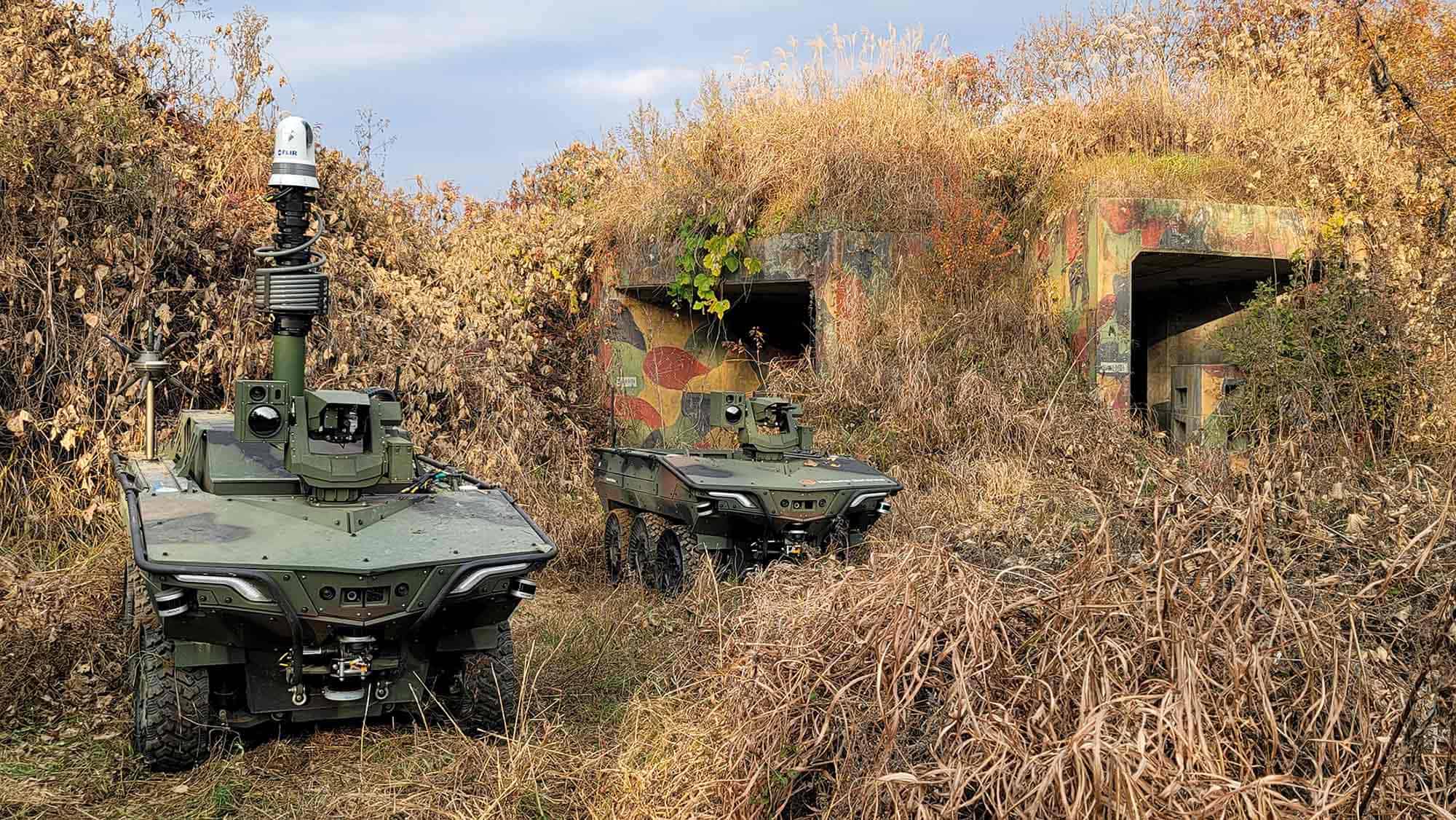
South Korea’s Defense Acquisition Program Administration selected Hanwha Aerospace’s Arion-SMET in July 2026 as the contractor for its first mass-produced multipurpose unmanned ground vehicle (UGV), marking a significant shift in military modernisation. Rather than addressing a technology gap, the program is primarily designed to offset the country’s rapidly shrinking conscription pool by replacing critical squad-level manpower with autonomous systems while sustaining operational effectiveness, according to GlobalData, an intelligence and productivity platform. Fielding is due between 2027 and 2028, with the vehicle entering service as a core asset of the Army Tiger 4.0 modernisation initiative. The country’s standing military has contracted from around 560,000 personnel in 2019 to about 450,000 in 2025, and UGVs are among the few options capable of restoring squad-level output without additional soldiers. GlobalData projects South Korea to spend approximately $140 million on UGV procurement by 2036. That spending covers logistics, intelligence, surveillance and reconnaissance, and explosive ordnance disposal and mine clearance roles. Tushar Mangure, Aerospace and Defense Analyst at GlobalData, comments: “The pool of young men assessed fit for active-duty conscription fell 29% over the past decade. The Korea Institute for Defense Analyses expects it to reach the 100,000 range by 2038. Restructuring units or extending service terms cannot absorb a decline on that scale, which leaves substituting machines for manpower at squad level. A UGV that carries the load, runs route reconnaissance and moves casualties returns soldiers from carrying tasks to fighting tasks. The requirement here is arithmetic rather than doctrine.” The Arion-SMET was the first South Korean UGV to complete the US Department of Defense’s Foreign Comparative Testing program, evaluated by the US Marine Corps and US Army in Hawaii. Mangure continues: “That evaluation carries more weight than the domestic award. It places a Korean UGV inside a US assessment pipeline, which is the practical route to interoperability with the American forces the RoK would fight alongside on the peninsula. It also gives Hanwha allied test data to put in front of European and Gulf customers, which is what separates a credible exporter from a national supplier.” This single program accounts for close to a quarter of South Korea’s projected UGV spending through 2036, which indicates how early the segment still is and how valuable an incumbent position will be. Mangure concludes: “Hanwha now holds contracts across almost every major Korean UGV line, giving it the volume to bring unit costs down before export competition intensifies. Seoul has also yet to commit to a dedicated combat UGV, and a multipurpose platform able to accept a remote weapon station keeps that option open.” For Editorial Inquiries Contact: Editor Kym Bergmann at [email protected] For Advertising Inquiries Contact: Group Sales Director Simon Hadfield at [email protected]
Previous article
Australian rocket motor completes test flight
Comments
Loading comments...