
ATLAS automated turret blasts through trial
By APDR
•Jun 8, 2025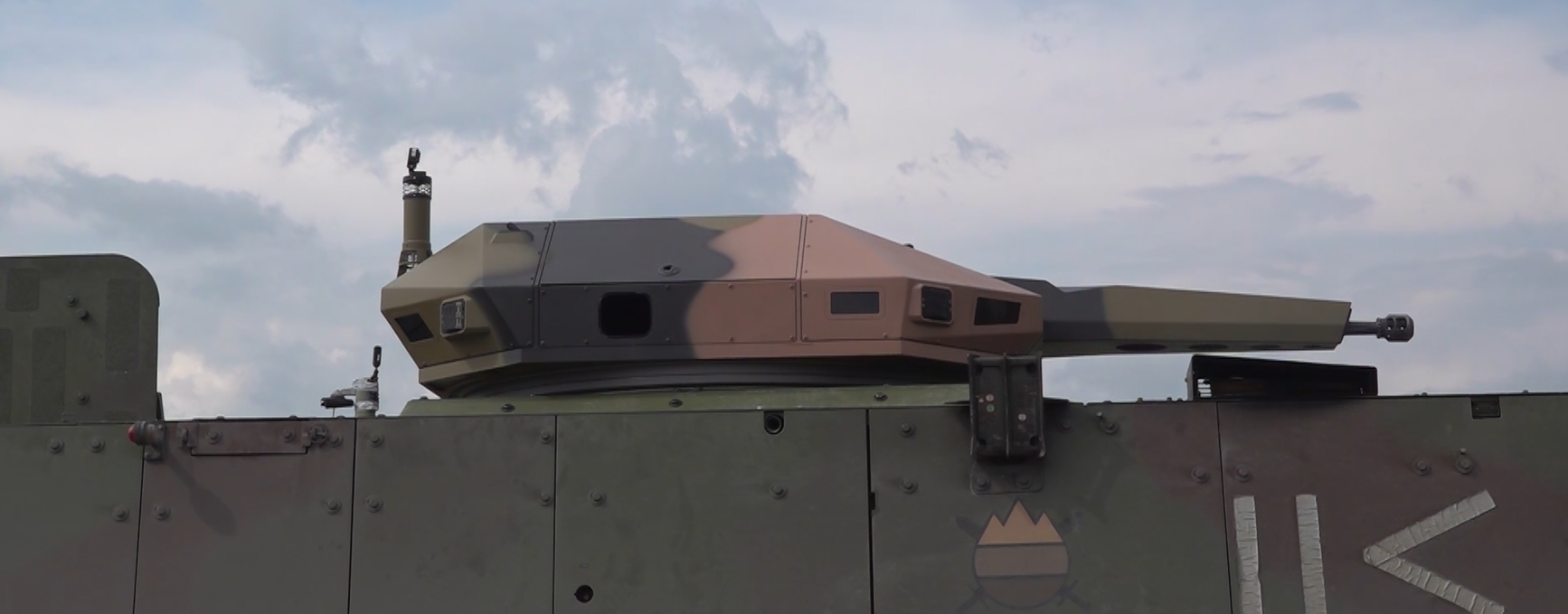
The automated turret system for BAE Systems Australia’s ATLAS CCV autonomous combat vehicle has been successfully test fired. The VANTAGE Automated Turret System (ATS) firing accuracy demonstrated excellent performance with tight groupings and successful target engagement out to initial ranges of 750 metres. https://media.asiapacificdefencereporter.com/uploads/2025/06/RS214692_MAY-2025-VANTAGE-TURRET-TEST-FIRING_FINAL.mp4 Kisa Christensen, Director of Integrated Defence and Autonomy Systems at BAE Systems Australia, said the testing in Slovenia delivered results beyond expectations and opened the way for future trials once re-integrated with ATLAS. “We’ve come away from this test firing knowing that the VANTAGE ATS fires accurately and performs exceedingly well, demonstrating excellent performance, offering our customers the ability to integrate VANTAGE with a range of crewed and uncrewed platforms, and offering a lower acquisition cost through the adaptive reuse of legacy cannons already in service”, Christensen said. “Also, we’ve seen the performance of VANTAGE successfully verified during the conduct of the Factory Acceptance Testing period,” she said. Following its highly publicised global debut at the Land Forces 2024 exhibition, ATLAS CCV is being marketed to armies to perform the high-risk ‘dirty and dangerous’ tasks normally undertaken by manned armoured vehicles such as direct fire support, obstacle clearance, combat reconnaissance and very short-range air defence. VANTAGE ATS was developed by BAE Systems Australia together with Valhalla Turrets of Slovenia. The VANTAGE ATS has been optimised for operation on autonomous vehicles, with high levels of automatic operation to mirror the levels of autonomy in advanced platforms such as the ATLAS CCV. The turret will return from Slovenia to Australia for re-integration with ATLAS CCV to enable further vehicle dynamic testing and sub-system integration, working towards an increased level of automated capability and operation. For Editorial Inquiries Contact: Editor Kym Bergmann at [email protected] For Advertising Inquiries Contact: Group Sales Director Simon Hadfield at [email protected]
Previous article
Anzac nations strengthen ties with port visit
Comments
Loading comments...