
SPEE3D tech trialled by US Navy in Trident Warrior
By APDR
•Feb 9, 2026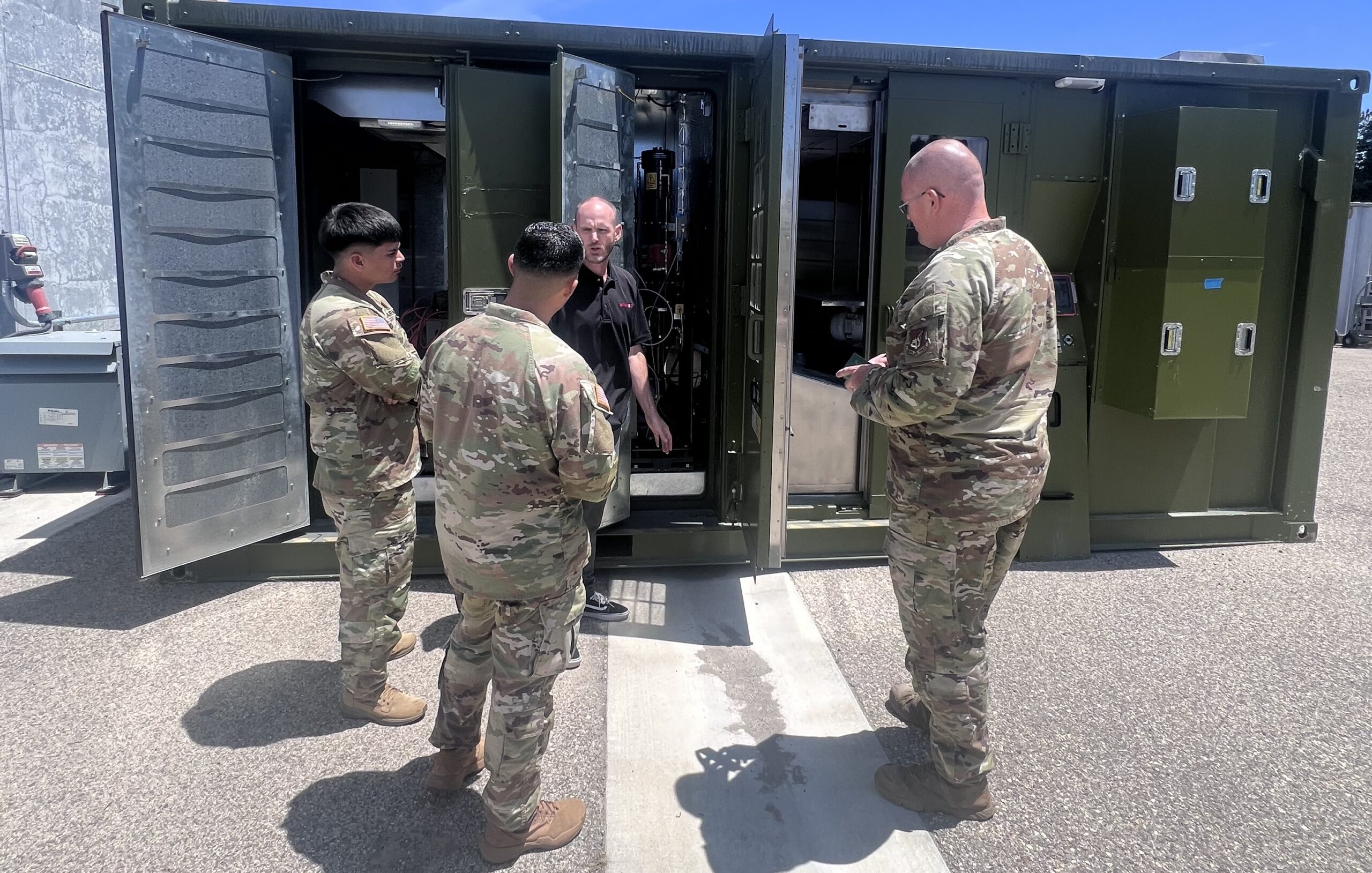
When a small metal component fails on a ship at sea, delays in receiving the replacement through traditional sources of supply may have strategic impacts for the U.S. Navy. During the Trident Warrior 25 fleet experimentation exercise, that question of how quickly a critical part can be replaced moved from the maintenance shop to the center of a live operational trial. SPEE3D’s deployable metal additive manufacturing technology was among the systems selected. Led by the Consortium for Advanced Manufacturing Research and Education at the Naval Postgraduate School (CAMRE NPS), the trial examined whether an XSPEE3D metal 3D printer could reliably produce mission-relevant components on demand, at the point of need, and in the hands of newly trained operators. Trident Warrior provides the U.S. Navy with a realistic shore-based and at-sea environment to trial technologies under operational tempo rather than laboratory conditions. For maintainers, the underlying problem is familiar: a single locally unavailable part can sideline an otherwise capable platform, while traditional manufacturing and logistics move at the pace of bureaucracy and freight. Against that backdrop, CAMRE at NPS introduced the XSPEE3D system to service members from each branch of the U.S. military who were participating in the exercise, training them to operate the printer and SPEE3D’s proprietary Cold Spray Additive Manufacturing (CSAM) process. The question was not only whether the technology would work, but whether non-specialist operators could adopt it quickly enough for it to make a practical difference. While there were numerous examples of additively-produced, near-net-shape metal parts created, CAMRE pioneered the process to utilise XSPEE3D to conduct a repair of a damaged aviation part for the U.S. Navy. “I think perhaps the biggest win for SPEE3D during the event was showing how you can use the machine to precisely add material to a damaged part and not have to manufacture a completely new part, saving material labor while improving readiness,” said Chris C. Curran, LtCol., USMC (Ret.), Program Manager – CAMRE. For the Navy, those outputs translated directly into shorter periods of equipment downtime and more options for maintaining readiness during the exercise, rather than waiting on external suppliers. “Military readiness is critically important to all branches, and they need technologies that provide them the ability to get assets back into service,” said Mark Menninger, SPEE3D US Vice President of Defense. “The Trident Warrior exercises demonstrated how SPEE3D offered the warfighters and maintainers the fastest and most efficient solution to get their systems back up and running, giving them the best chance to complete their missions quickly and effectively.” The trial reinforced the potential role of deployable metal additive manufacturing in maintenance, repair, and overhaul (MRO) operations far from established industrial bases. By producing mission-critical components on demand, systems like XSPEE3D can help reduce downtime and increase operational availability for the fleet. For Editorial Inquiries Contact: Editor Kym Bergmann at [email protected] For Advertising Inquiries Contact: Group Sales Director Simon Hadfield at [email protected]
Previous article
RAN frigates depart for regional deployment
Comments
Loading comments...