
Home › Air & Space
India’s MRTT acquisition to strengthen IAF’s airpower projection
By GlobalData
•Jan 18, 2026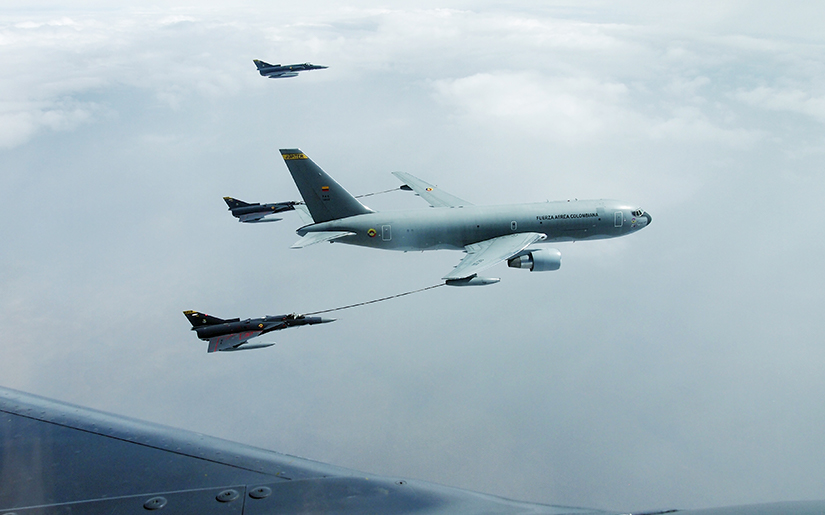
With a focus on enhancing the country’s aerial combat radius, India has approved the $1.1 billion acquisition of six multirole aerial refuelling aircraft (MRTT) for the Indian Air Force (IAF). The program, to be executed by Israel Aerospace Industries (IAI) in partnership with Hindustan Aeronautics Limited (HAL), is expected to significantly enhance India’s air-to-air refuelling capability for conducting long-range missions beyond its borders, according to GlobalData, an intelligence and productivity platform. GlobalData’s latest Fleet Size dashboard indicates that India’s existing aerial refuelling fleet, comprising Il-78MKI aircraft inducted in 2003, now has an average age exceeding 22 years. These platforms have reached the end of their effective service life and are increasingly unable to support the long-range operational requirements of frontline aircraft such as the Rafale, Su-30MKI, and indigenous Tejas variants. The replacement of the aging Il-78 fleet is therefore essential to sustaining India’s airpower projection, particularly across the Indo-Pacific and extended maritime theatres. Harpreet Sidhu, Aerospace and Defense Analyst at GlobalData, comments: “The selection of a converted Boeing 767-based MRTT reflects a pragmatic and capability-driven approach by India. The Il-78 fleet, now over two decades old, has struggled to meet the endurance, availability, and interoperability demands of modern air operations. Replacing it with a modern alternative will improve mission readiness while reducing long-term sustainment risks.” Sidhu adds: “While the aircraft itself is of foreign origin, the structured involvement of HAL is strategically important as it allows for integration of indigenous systems and seamless MRO during the operational lifespan of the aircraft fleet.” According to GlobalData’s Fixed-Wing Market data, India is expected to invest about $82.6 billion in the fixed-wing aircraft segment over the next ten years. This substantial investment underscores New Delhi’s long-term commitment to expanding and modernising its airpower capabilities, with the aerial refuelling aircraft playing a critical role in maximizing the effectiveness of its high-end fighter and surveillance platforms. Sidhu concludes: “Aerial refueling aircraft are force multipliers rather than frontline platforms, but their impact on airpower projection is profound. By modernising this capability, India enhances the effective range, endurance, and deterrence as it allows other frontline aerial platforms to conduct missions over hostile airspaces that are further away from its terrestrial borders. Lessons learned from Operation Sindoor last year may have compelled India’s policy makers to relook at improving the aerial combat capabilities of the IAF so that it can effectively undertake similar cross-border missions when required.” For Editorial Inquiries Contact: Editor Kym Bergmann at [email protected] For Advertising Inquiries Contact: Group Sales Director Simon Hadfield at [email protected]
TAGSGlobalDataIndian Air Force
Previous article
DroneShield selected for LAND 156 LoE 3 Panel
GlobalDatahttps://asiapacificdefencereporter.com/