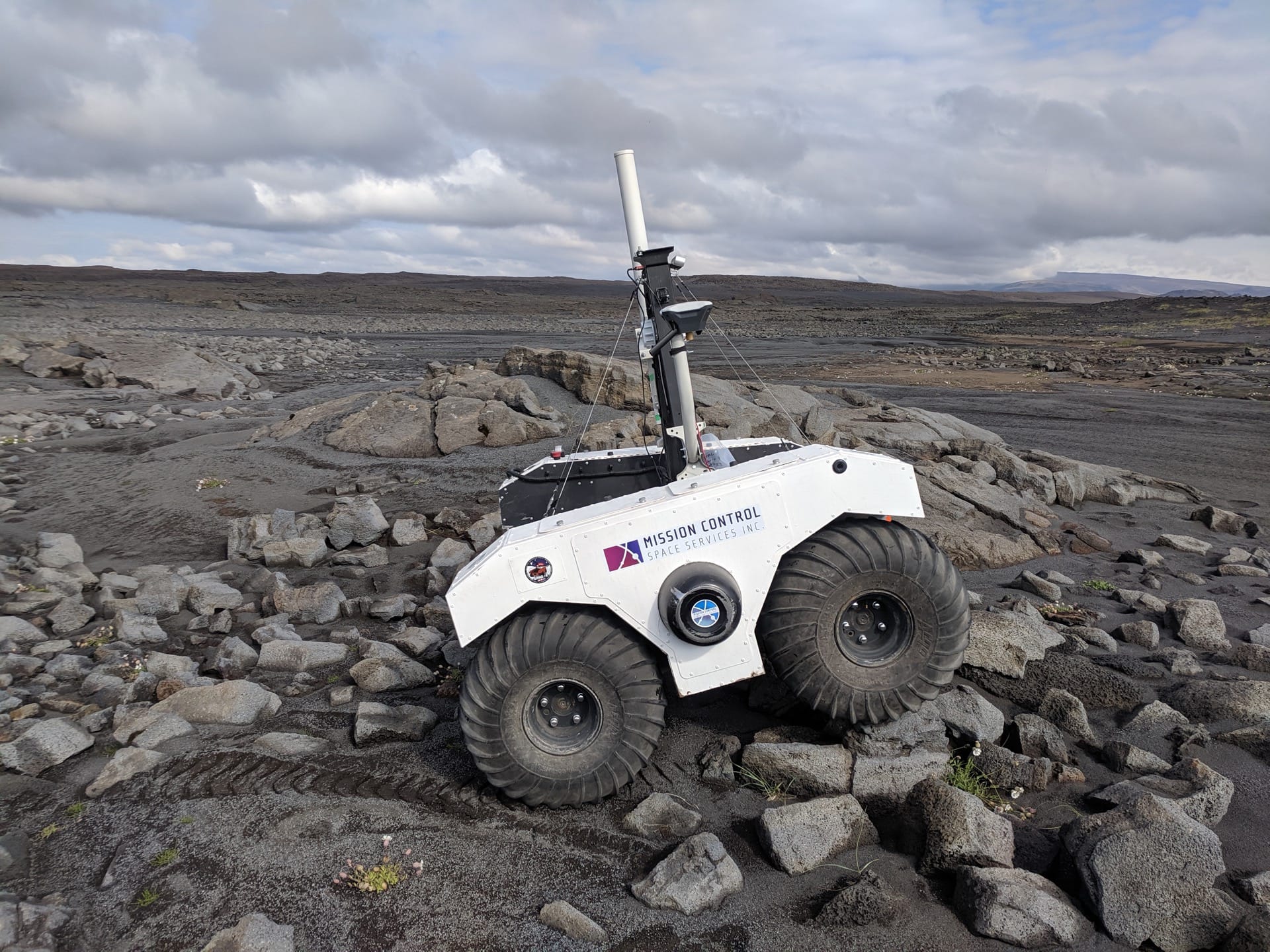
 Provectus Robotics Solutions, a subsidiary of Rheinmetall Canada Inc., is supporting the space exploration and robotics company Mission Control in developing concepts that will inform the Canadian Space Agency’s (CSA) future lunar rover (Lunar Utility Rover). As part of a consortium of leading Canadian technology companies, Rheinmetall is contributing its globally recognised expertise in autonomous ground vehicles. The team is developing proposals for the mission-critical Guidance, Navigation, and Control (GNC) subsystem to enable future missions on the lunar surface.
The proven Rheinmetall PATH autonomy system forms the technological basis for the rover’s Guidance, Navigation, and Control system. The project underscores the successful dual-use synergies between civilian space research and robust defense technology.
The technological heart of the GNC proposal is the Rheinmetall PATH autonomy system. PATH is a world-leading, AI-based software solution for unmanned ground systems (UGSs) that has already proven itself in the defense sector and in commercial applications around the world. PATH’s robust architecture forms the foundation for the rover’s autonomous navigation. The future lunar rover is set to support astronauts on long-term missions, perform logistical tasks, and ensure cargo transport on the Moon.
The integration of Rheinmetall PATH builds on Canada’s decades-long leadership in space robotics. Early CSA rover development programs enabled early PATH development to directly shape autonomous surface navigation in extreme environments. Rheinmetall Canada has successfully translated these research-driven approaches into operational, commercially successful military and industrial technology. The current project closes this loop and brings the advanced technology back to space exploration.
“The integration of PATH into the Lunar Utility Rover brings together decades of Canadian innovation in the fields of autonomy and space robotics,” explains Pietro Mazzei, President and CEO of Rheinmetall Canada. “This project strengthens the local supply chain and underscores the advanced technological capabilities of Canadian industry.”
Headquartered in Ottawa, Provectus is fully integrated into the global structures of Rheinmetall Canada and Rheinmetall AG. Through this project, Rheinmetall once again demonstrates its ability to scale state-of-the-art, Canadian-developed autonomy technologies for critical missions worldwide—today on Earth and tomorrow on the Moon.
Rheinmetall wins order for seven field hospitals for Morocco
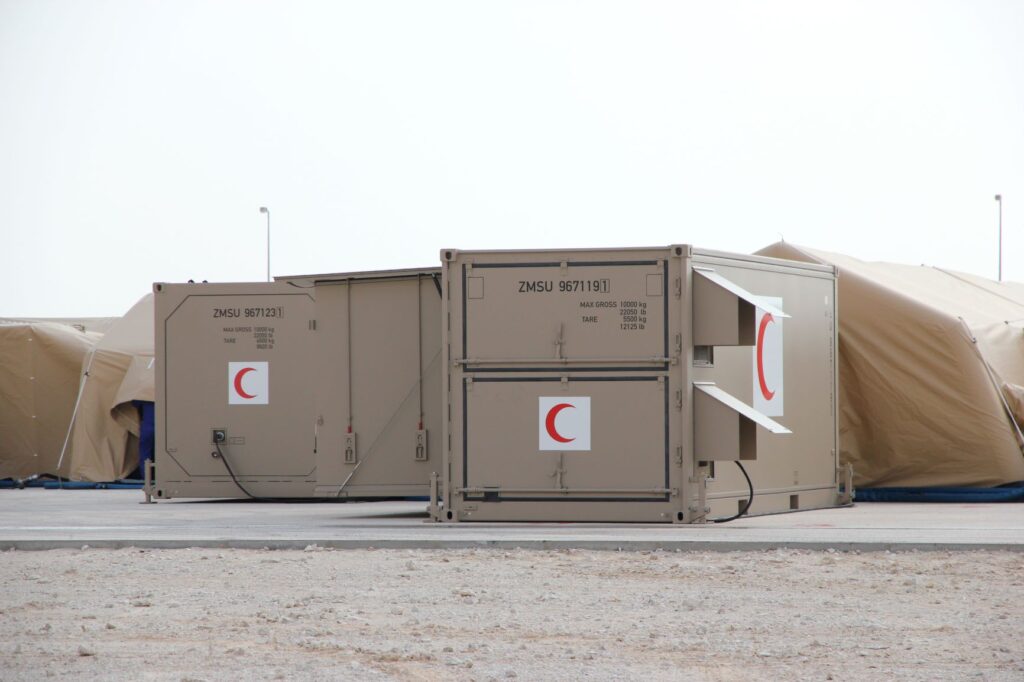 Rheinmetall continues to expand its presence in the international market for mobile medical facilities, achieving a significant sales success in North Africa. In June 2026, the subsidiary Rheinmetall Mobile Systeme GmbH signed a contract with the Kingdom of Morocco for the supply of a total of seven highly mobile field hospitals. One field hospital is intended for the Moroccan Ministry of Defence, while the remaining six are for the Ministry of the Interior. The order value is in the mid double-digit million-euro range. Delivery is scheduled for 2027 to 2028. Processing and delivery of the systems to the Kingdom of Morocco will be handled by a local medical equipment distributor.
The systems are characterised by their extreme mobility: when deployed, they are fully mounted on trucks and can be expanded with military tents for off-truck operations. This contract is based on the highly mobile field hospitals developed by Rheinmetall Mobile Systeme GmbH, which are already being used successfully by the Ukrainian armed forces. They were designed specifically to withstand severe transportation challenges and extreme military environmental conditions.
At the heart of the Moroccan field hospitals is the operating theatre complex (OT complex), which consists of the following self-sufficient functional units:
- Modern operating theatre
- Intensive care unit
- Sterilisation
These expandable shelters are designed as specialised containers with extendable sections that form a fully functional medical treatment centre when set up. Their assembly and dismantling times are extremely short. This core centre is surrounded by patient accommodation and other standard facilities, such as an X-ray station, a pharmacy and a laboratory. The hospital is completed by specialist departments such as an eye clinic, dentistry and ENT, as well as a CT scanner. The systems are designed for self-sufficient operation in both the field and urban areas. They are completely independent for a defined period and have their own power, water and oxygen supplies. The comprehensive scope of delivery is completed by military accommodation and sanitary facilities.

For Editorial Inquiries Contact:
Editor Kym Bergmann at [email protected]
For Advertising Inquiries Contact:
Group Sales Director Simon Hadfield at [email protected]