
Australia to strengthen navy with Mogami-class frigate deal
By GlobalData
•Sep 4, 2025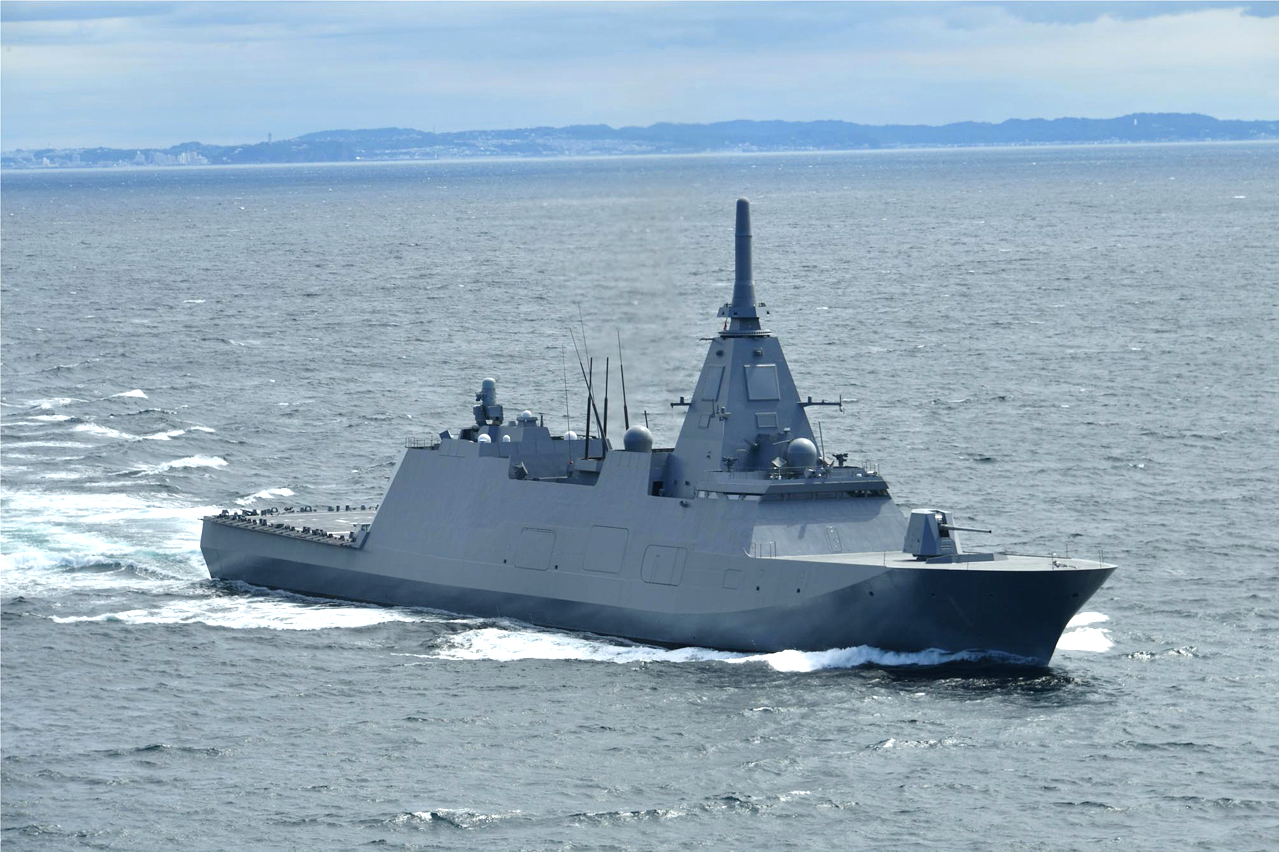
Australia has recently entered into an agreement with Japan for the supply of 11 Mogami-class frigates. The selection of the Mogami-class frigate design, which is already in active service with the Japan Maritime Self-Defense Force, reflects Australia’s intent to rapidly integrate tested naval platforms into its fleet as the country responds to evolving security challenges in the Indo-Pacific. This deal is more than just a fleet replacement; it sets the stage for a future-ready naval force and a stronger defence industrial base, says GlobalData, a data and analytics company. According to GlobalData’s latest Naval Vessels and Surface Combatants report, Australia is projected to cumulatively spend $30.7 billion on naval vessel procurement between 2025 and 2035, highlighting the country’s renewed focus on maritime security. Kandlikar Venkatesh, Aerospace & Defense Analyst at GlobalData, comments:“The deal is expected to enhance Australia’s maritime defence capability, support local shipbuilding, and deepen its defense ties with Japan and the US. The Mogami-class deal will deliver new frigates more quickly by utilising Japan’s established production capacity for the first three ships, while the remaining eight vessels will be manufactured in Australia using modern shipbuilding techniques. This approach accelerates deliveries, brings advanced naval capabilities into service sooner, and transfers sophisticated design and production skills to Australian workers. The deal will also facilitate the establishment of efficient maintenance and upgrade infrastructure at Austal’s Henderson facility in Western Australia.” With four times the missile capacity compared to its current frigates, integrated Tomahawk strike capability, and a 10,000-nautical-mile operational range, these ships can maintain a persistent presence, conduct long-range strikes, and support coordinated operations across contested areas in the Indo-Pacific. This also alleviates pressure on Australia’s submarine fleet by giving surface combatants an expanded strike role. Venkatesh adds: “The timing is critical as China continues to expand its navy with advanced destroyers, aircraft carriers, and long-range missiles. The Mogami-class frigates will significantly enhance Australia’s ability to work seamlessly with partner navies, supporting joint planning, logistics sharing, and combined training missions. Japanese shipbuilding expertise, combined with US combat systems, ensures interoperability across allied fleets, enhancing regional deterrence and countering coercive maritime strategies. This cooperation deepens trilateral defense links, creating shared industrial and operational benefits for all three nations.” The Mogami-class program will help Australia sustain high-tech shipbuilding skills, develop next-generation maritime technologies, and expand regional cooperation for decades to come. Venkatesh concludes: “As the frigates join the fleet, they will enable Australia to project power across greater distances, secure vital trade routes, and respond quickly to emerging security threats. The program also sends a clear signal of Australia’s long-term commitment to maintaining a stable, balanced Indo-Pacific, where advanced maritime capabilities deployed by competing economies will shape the security environment of the future.” For Editorial Inquiries Contact: Editor Kym Bergmann at [email protected] For Advertising Inquiries Contact: Group Sales Director Simon Hadfield at [email protected]
Previous article
Rheinmetall builds facility for destroying legacy ammunition
Comments
Loading comments...